


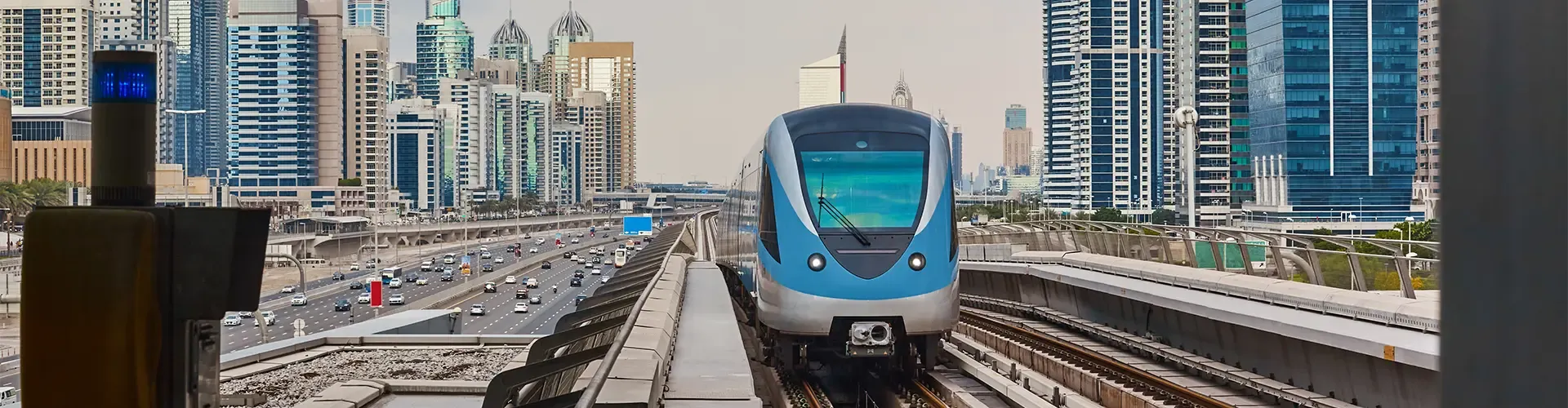
Stations, Route, Map Integration, and the Latest Project Updates
Dubai’s transformation into a global smart city has always been closely linked to the evolution of its transport network. Among these advancements, the Dubai Metro system stands as one of the city’s most successful infrastructure achievements. Since the opening of the Red Line in 2009, followed by the Green Line in 2011, the metro has become a vital mobility backbone, serving millions of residents, commuters, and visitors each year. Today, the network is preparing for its next major expansion: the Dubai Metro Blue Line.
This long-awaited addition marks a major step in Dubai’s sustainable transport development. It will connect emerging residential areas, reduce road congestion, support economic diversification, and dramatically reshape the Dubai Metro Map. With construction officially announced and planning well underway, the Blue Line is set to become one of the most influential transport projects in the coming decade.
This blog explores everything you need to know about the Dubai Metro Blue Line: its route, stations, benefits, progress, and expected impact on the city.
What Is the Dubai Metro Blue Line?
The Dubai Metro Blue Line is a new 30-kilometre metro corridor designed to expand public transport access to the city’s rapidly growing residential communities. The route will include a combination of elevated and underground tracks and 14 stations, including three key interchange points. Once complete, the Blue Line will significantly enhance connectivity between older urban districts, new suburban hubs, and major commercial zones.
Unlike the Red and Green Lines, which primarily run parallel to major highways and coastal districts, the Blue Line penetrates deeper into communities that previously depended
largely on private vehicles. This includes areas such as International City, Silicon Oasis, Academic City, Mirdif, and other fast-developing neighbourhoods.
The project also aligns closely with Dubai’s long-term strategies, particularly the Dubai 2040 Urban Master Plan, which prioritizes transit-oriented development, reduced emissions, and improved accessibility for residents.
How the Blue Line Fits into the Dubai Metro Map
To understand the importance of this project, one must look at the broader Dubai Metro Map. Currently, the Red and Green Lines form a network that serves central and coastal districts as well as key commercial hubs. However, many inland communities, particularly those with rising populations, do not have direct metro access.
The Dubai Metro Blue Line fills this gap. The new line will:
- Connect the Red and Green Lines at two major interchanges
- Provide a new cross-city route not previously available
- Drive integrated mobility across Dubai’s eastern suburbs
- Strengthen the overall metro network’s capacity and reach
With these changes, the updated Dubai Metro Map will display a more interconnected system where residents have multiple route options, reduced transfer times, and access to new stations that serve some of the most populous neighbourhoods in the city.
Route Alignment and Key Areas Covered
The Dubai Metro Blue Line will run in a north–south direction, splitting into two branches that converge at a central interchange. This unique design allows the line to serve both sides of the city’s eastern development corridor.
Although the final operational map is still under review, the line is planned to cover strategic zones including:
Dubai Creek Area
A dense cultural, residential, and commercial district where the Blue Line will integrate with the Green Line. The Creek area’s accessibility will improve significantly with the new interchange.
International City
One of Dubai’s most populated residential communities, known for its affordability and multicultural environment. The Blue Line will introduce a dedicated station and an interchange that links the two line branches.
Academic City
A major education hub home to universities, colleges, and research centers. The Blue Line will offer students and faculty faster, more efficient travel options.
Silicon Oasis
A technology-focused business district, home to tech companies, startups, and residential communities. The Blue Line will play an essential role in improving mobility for its growing workforce.
Mirdif and Surrounding Areas
This established family community will gain direct metro access for the first time, making it easier for residents to commute to other parts of the city.
This alignment not only supports residential mobility but also connects employment zones, academic institutions, business districts, and leisure destinations.
Dubai Metro Stations: What to Expect
The Dubai Metro Blue Line will feature 14 stations, including interchange stations and underground hubs. These stations will follow RTA’s modern architectural style but with upgrades that reflect the city’s evolving transit standards.
Types of Stations
- Underground Stations: Designed for high-density zones, equipped with advanced safety features, wide concourses, and efficient passenger flow systems.
- Elevated Stations: Positioned along major road corridors, similar to Red Line stations, offering easy pedestrian access and integrated bus and taxi facilities.
- Interchange Stations: Large multi-level hubs designed for seamless transfers between lines.
These stations are expected to include:
- Modern ticketing systems
- Platform screen doors
- Enhanced accessibility features for people of determination
- Sustainable and energy-efficient designs
- Retail and convenience spaces
The exact station names will be finalized closer to completion, but the line is confirmed to include major hubs at Creek, Centrepoint, and International City.
How the Blue Line Will Improve Daily Commuting
The impact of the Dubai Metro Blue Line extends beyond convenience. It directly supports the city’s broader mobility goals and improves daily life for residents across several dimensions.
Reduced Travel Times
Commuters traveling from Academic City or Silicon Oasis to central Dubai will experience a significant drop in travel time. What now requires multiple bus transfers and long car trips will become a single, efficient journey.
Less Pressure on Roads
As more residents rely on the metro, major roads such as Sheikh Mohammed Bin Zayed Road and Al Ain Road will see reduced congestion, improving traffic flow for those who still prefer driving.
Greater Access to Jobs and Education
The line connects major employment zones with academic hubs, allowing students easier access to internships, jobs, and academic events across the city.
Enhanced Sustainability
The Blue Line is fully aligned with Dubai’s sustainability agenda by reducing reliance on private vehicles and lowering carbon emissions.
Economic and Real Estate Impact
The introduction of the Dubai Metro Blue Line is expected to stimulate economic activity and influence real estate values across several districts.
Rising Property Demand
Communities like International City, Academic City, and Silicon Oasis may experience increased demand due to improved connectivity. Historically, areas near metro stations show higher rental occupancy and stronger long-term appreciation.
Growth in Commercial Zones
Improved accessibility encourages companies to establish offices in areas that previously lacked metro connectivity. This is particularly important for Dubai Silicon Oasis and Academic City, where new office and mixed-use developments may appear.
New Retail Opportunities
Stations typically attract convenience stores, cafés, and service shops. As the Blue Line expands, so will business opportunities around stations.
Engineering and Construction Progress
The Blue Line’s development involves advanced tunneling works, track installation, and station construction. It is expected to include:
- Over 13 km of underground tunnels
- Elevated viaduct structures
- Rail systems upgrades
- New rolling stock compatible with existing metro trains
Dubai’s previous metro expansions were completed with high precision, and the Blue Line follows similar engineering standards. Construction will take place in phases, with tunneling and underground stations typically requiring the longest timeframe.
Expected Timeline for Completion
While the exact date may be refined during the development process, the Dubai Metro Blue Line is generally expected to be completed and operational around the early 2030s. Large metro projects require extensive coordination, and timelines often include:
- Detailed planning and design
- Environmental studies
- Tunneling and excavation
- Station construction
- Track installation
- System tests
- Trial operations
Dubai’s track record suggests that once construction advances, timelines become clearer, and updates are regularly provided.
What the Blue Line Means for Dubai’s Future
The Dubai Metro Blue Line is more than a transport project; it is a long-term investment in the city’s economic, social, and environmental transformation. It supports the city’s growth trajectory by:
- Encouraging public transport usage
- Increasing urban mobility choices
- Supporting sustainable development
- Connecting emerging communities
- Improving quality of life
When the line becomes operational, the Dubai Metro Map will reflect a far more integrated system, enabling the city to serve a population projected to exceed 5.8 million by 2040.
Final Thoughts
The Dubai Metro Blue Line represents the next major chapter in the evolution of Dubai’s public transport network. With new stations, advanced infrastructure, and strategic connections across the city, it will reshape mobility and create long-lasting benefits for residents, businesses, and investors. As the project progresses, Dubai continues to strengthen its position as one of the world’s most forward-thinking cities, supported by efficient, connected, and sustainable urban transport solutions
common.industries
- Dubai Metro
- Blue Line
Share This