


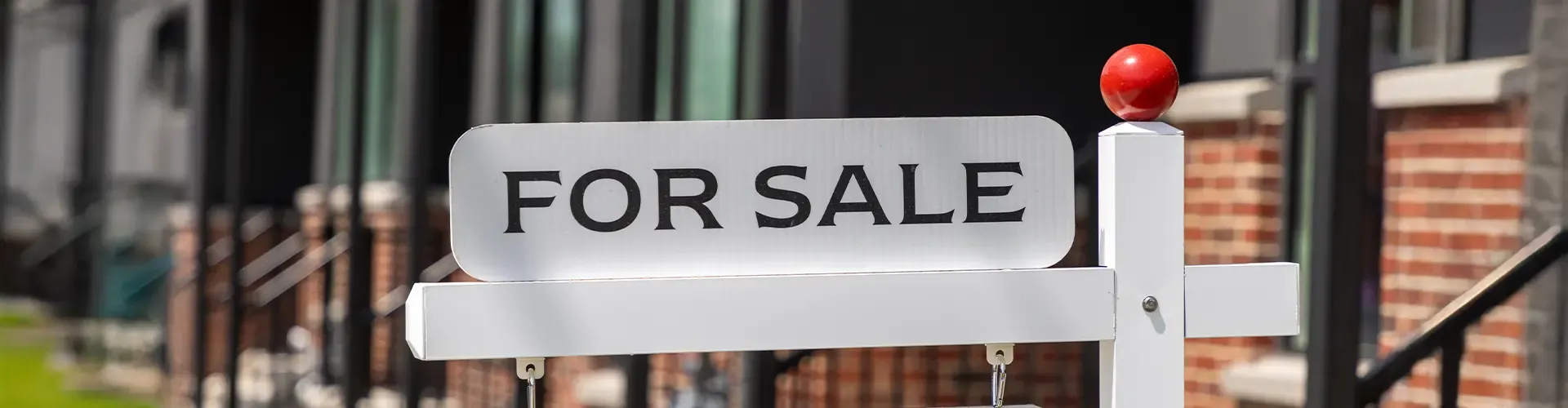
Selling a home is more than just a financial decision, it’s an emotional journey, a business transaction, and a process that requires careful strategy. Whether you’re downsizing, upgrading, relocating, or selling an investment property, how you approach the process will determine your results. Unfortunately, many sellers unknowingly make choices that reduce their chances of securing the best deal. Recognizing the common mistakes when selling your home can help you avoid costly missteps and ensure a smooth, profitable sale.
In this blog, we’ll explore the most frequent mistakes homeowners make when selling their property and provide practical tips on how to avoid them.
Overpricing the Property
Perhaps the most widespread of all common mistakes when selling your home is overpricing. Homeowners often assume their property is worth more than the market dictates, whether due to emotional attachment, investment made in upgrades, or the belief that buyers will simply “negotiate down.”
However, pricing too high can backfire:
- Fewer inquiries: Buyers may skip over overpriced listings when browsing online.
- Extended time on the market: The longer a property lingers, the less appealing it appears.
- Price reductions: These signal desperation, often leading buyers to offer even less.
How to avoid it: Work with a real estate agent to conduct a Comparative Market Analysis (CMA). This report looks at recent sales of similar homes in your area, providing a realistic picture of what your property is worth. Remember, pricing right from the start often attracts more buyers and can spark competitive offers.
Neglecting Curb Appeal and Staging
First impressions matter, and buyers form opinions within seconds of seeing your home. Ignoring curb appeal or failing to stage the interior is a serious common mistake when selling your home because it prevents buyers from imagining themselves living there.
Examples of neglected presentation include:
- Overgrown lawns or unkempt landscaping
- Cluttered rooms filled with personal items
- Outdated furniture or mismatched décor
- Dimly lit interiors that feel unwelcoming
How to avoid it:
- Boost curb appeal with simple tasks like mowing the lawn, planting flowers, or painting the front door.
- Stage the home by decluttering, depersonalizing, and arranging furniture to highlight the flow of space.
- Use neutral colors that appeal to a wide audience.
Professional staging might feel like an unnecessary cost, but studies show staged homes often sell faster and at higher prices.
Relying on Poor-Quality Photos
In today’s digital world, the vast majority of buyers begin their search online. Your listing photos are the gateway to getting potential buyers through the door. Poor-quality images or worse, too few of them rank among the most underestimated common mistakes when selling your home.
Dark, blurry, or awkwardly angled photos fail to highlight your property’s best features and can instantly reduce interest. On the other hand, professional photography showcases the home in its best light, capturing wide angles, natural lighting, and details that matter.
Tip: Consider adding a virtual tour or video walkthrough. This not only appeals to local buyers but also attracts international or out-of-town buyers who may not be able to visit immediately.
Refusing to Make Repairs or Updates
Another of the common mistakes when selling your home is overlooking necessary repairs. While homeowners often assume buyers will accept the property “as is,” small problems can create doubt. A dripping faucet, cracked tiles, or peeling paint may seem minor, but they suggest neglect and raise concerns about hidden issues.
How to avoid it:
- Make a list of visible repairs before listing your home.
- Focus on cost-effective upgrades such as repainting walls, fixing leaks, or replacing outdated fixtures.
- If the budget allows, consider small modernizations like updating kitchen cabinet handles or refreshing bathroom grout.
These fixes reassure buyers that the home has been well cared for and reduce the likelihood of low-ball offers.
Letting Emotions Drive Decisions
Selling a home isn’t just about bricks and mortar, it’s about memories. Understandably, many sellers feel deeply connected to their property. However, one of the common mistakes when selling your home is letting emotions dictate decisions.
For example:
- Overvaluing the home because of sentimental value.
- Rejecting reasonable offers simply because they feel too low.
- Taking buyer feedback personally during showings.
How to avoid it: Treat the sale as a business transaction. Detach yourself emotionally by focusing on your future plans whether it’s your next home, investment, or new lifestyle. A trusted real estate agent can act as an objective buffer during negotiations.
Limiting Showings and Accessibility
A big yet often overlooked common mistake when selling your home is making it difficult for buyers to view the property. Sellers sometimes insist on rigid showing schedules or deny last-minute requests. While understandable, this reduces buyer opportunities and slows the selling process.
How to avoid it:
- Be flexible with showings, including evenings and weekends.
- Keep the home “show-ready” by maintaining cleanliness and organization.
- Consider installing a lockbox (through your agent) to allow secure access when you’re not home.
The easier it is for buyers to see your home, the more likely you’ll receive offers.
Skimping on Marketing
Some homeowners believe simply listing their property online is enough. However, inadequate marketing is one of the most damaging common mistakes when selling your home because it limits visibility.
Effective marketing goes beyond a single listing it should include:
- Professional photography and videography
- Virtual tours for remote buyers
- Listings on multiple real estate platforms
- Social media promotion
- Traditional methods such as flyers or open houses
Your goal is to maximize exposure. The more people who see your property, the better your chances of securing competitive offers.
Trying to Sell Without Professional Help
The DIY route, also known as For Sale By Owner (FSBO), may seem appealing to avoid paying commission fees. However, this approach is often one of the riskiest common mistakes when selling your home.
Without an agent, you’re responsible for:
- Pricing research
- Legal paperwork
- Marketing strategy
- Negotiations with buyers and their agents
Most FSBO sellers eventually realize that working with a professional agent saves time, reduces stress, and often results in a higher final selling price.
Hiding or Withholding Information
Some sellers are tempted to hide issues with the property whether structural problems, previous damage, or ongoing maintenance concerns. But failing to disclose known defects is one of the most serious common mistakes when selling your home.
Not only is it unethical, but it can also lead to legal complications, broken contracts, or lawsuits. Buyers have inspection rights, and undisclosed problems are almost always discovered.
How to avoid it: Be transparent about the condition of your home. Full disclosure builds trust and reduces the chances of disputes after the sale.
Weak Negotiation Strategy
Negotiating is a delicate balance, and it’s another area where many sellers stumble. One of the common mistakes when selling your home is either being too rigid or too quick to accept the first offer.
For example:
- Rejecting offers without countering.
- Focusing only on price while ignoring other terms (closing date, contingencies, etc.).
- Accepting a low offer out of impatience.
How to avoid it: Work with your agent to create a negotiation strategy before listing. Be open to counteroffers and consider the entire package not just the number on the check.
Poor Timing of the Sale
Timing plays a huge role in real estate. Listing during slow market periods or waiting too long to respond to offers is another of the common mistakes when selling your home.
How to avoid it:
- Research seasonal trends in your area spring and early summer are often ideal.
- Pay attention to market conditions (e.g., interest rates, local demand).
- Be responsive when offers come in. Delays can frustrate buyers and push them toward other properties.
Ignoring Closing Costs and Legalities
Finally, many homeowners forget about the expenses and legal responsibilities associated with selling. Overlooking closing costs is one of the practical common mistakes when selling your home, as it reduces net profits.
These may include:
- Agent commissions
- Legal fees
- Transfer taxes
- Repairs negotiated after inspection
- Mortgage payoff penalties
How to avoid it: Ask your agent for a breakdown of all potential costs in advance. Being prepared financially helps prevent surprises and ensures a smoother closing.
Final Thoughts
Selling your home is a journey that blends preparation, marketing, negotiation, and timing. While mistakes are common, most are avoidable with the right strategy and support. By steering clear of the common mistakes when selling your home such as overpricing, neglecting presentation, skimping on marketing, or letting emotions take over you can increase your chances of a quick sale at the best possible price.
Remember, your home is likely one of your most valuable assets. Treating the process with care, objectivity, and professional guidance will help you transition smoothly into the next exciting chapter of your life.
labels.related_blogs


14 December, 2025
Pros and Cons of Living in Downtown Dubai 2025

12 December, 2025
Dubai Metro Blue Line: Everything You Need to Know



03 October, 2025
Ultimate Guide to Power of Attorney for Property in Dubai



18 August, 2025
Love Lake Dubai: A Traveler’s Essential Information


08 July, 2025
Top 10 Communities for Family Living in Dubai (2025)
Share This